
Improve your WordPress Navigation Menu Output
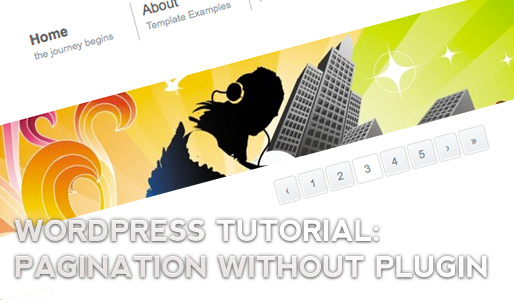
WordPress 3 has gone gold and ships with an amazing new menu manager that can be used to control the navigation menus of your website. This tutorial will teach you how to change the default output of this manager, since getting a custom output can heavily improve the style of your themes. So first of all here is an example of the wordpress menu we want to build.
WordPress Tutorial: Simple Breadcrumb Navigation
I am currently working on some larger projects, and some of them are in desperate need of a breadcrumb navigation, since there are so many sub categories and pages, that users often have a hard time not to lose track of their current position on the site.
After searching the web for an adequate plugin, the only Breadcrumb navigation I could find was Breadcrumb NavXT. The plugin is basically the only one which supports nested pages as well as nested categories. It has a ton of options… to my mind there are way to many. After testing the plugin on a blank installation my Database query count went from 17 to 59 even if I was on the starting page where no breadcrumb navigation was displayed. So I decided to code a lightweight version for myself.
What you will learn here, are the basics of creating a simple breadcrumb navigation. This tutorial doesn’t offer a complete script, just some snippets to experiment with =)
WordPress: Display Content in multiple Columns
Recently I had to create a website which displays the content in 2 columns.
While CSS 3 is capable of doing this on its own with the new Grid Position Module, a lot of browsers do not support this functions yet, so I needed to add a little extra markup to the output which is generated via the_content() to get the following result:
How to use WordPress Custom Fields
WordPress gives an author the ability to add extra data to each written post and page. This data is called meta-data and is stored in custom fields.
These fields are really flexible in use and make it possible for developers and theme-authors to create stunning sites, far beyond from normal blog design. Read more »
WordPress: how to separate comments and trackbacks
Today I read an interesting article on NETTUTS which claims to unravel the Secrets of WordPress & Comments.php File. This is actually pretty true, the author did a good job at explaining the different functions, comment loops, and form elements.
The one thing I really missed was an explanation on how to separate comments from trackbacks. Discussing on a blog with tons of trackback posts between the ongoing discussion is really annoying.
Admin login on your front page
Last week I showed you how to create a menu which reveals itself only to logged in users, utilizing the WordPress function current_user_can(). Today we will take this one step further and create a Login form for your users, which can be placed in your sidebar, footer or anywhere else on your page.